Just a reminder to enter the Prop Building Guidebook contest if you haven’t already. You have until April 30th to send in a photo or video of a prop you’ve made; there are already dozens of really great entries.
NYC Past has gigantic black and white photographs of New York City throughout history, from the early twentieth century through the 1990s.
When you have the time, take a listen to this interview of Christina Haberkern, a film prop maker. She mainly does graphics and illustration for ISS, and has made props for films such as Forgetting Sarah Marshall, Argo, Inception, and J. Edgar. It’s a much more in-depth, down-to-earth and personal glimpse into the life of a working prop maker than most of those behind-the-scenes “aren’t props fun and crazy” fluff pieces that are often produced.
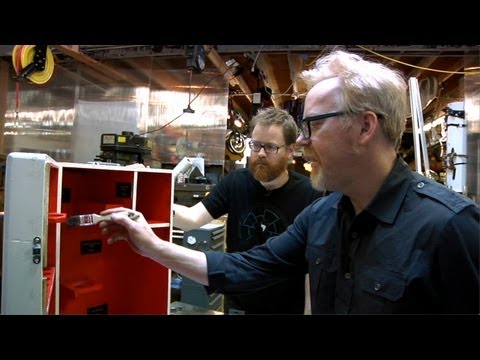
Finally, as a nice break before the weekend, check out this video where famed prop maker Dragon Dronet (Star Trek shows and films, Babylon 5, Eraser, and many more) is challenged to recreate a prop gun from District 9 in only 3 days. It’s a fairly quirky film that ventures into the surreal, but it does a great job showing Dragon’s process, and the result is a really cool prop.
By the time you read this, I should be in Milwaukee for the 53rd annual conference of the United States Institute for Theatre Technology (USITT). This is the largest US conference dedicated solely to design, production and technology in theatre and other live entertainment. If you follow me on Twitter, I’ll be twitting about events during the conference. I thought I’d take a moment to share some events and sessions that may be of interest to props people who will be there.
First up, as if I haven’t written about it enough already, is my book signing. Stage Directions Magazine is hosting the signing on Friday, March 22nd, at 12:30 pm, at Booth 100, located in the far corner of the exhibition (to the left of the entrance, on the side of the hall with Cover the Walls).
In the same vein, be sure to check out the book signing for The Properties Director’s Handbook by Sandra Strawn. It will be held at the USITT Booth/Market Place on Friday, at 4:30 pm. The book is a great complement to my own; Sandy was also the technical editor on my book.
The Society of Properties Artisan Managers (S*P*A*M) has a booth at the Expo; I will be behind the counter on Saturday morning from 9:30-11am. Come check it out at table 670, in front of the USITT Booth & Marketplace, and right across from IATSE Local One’s booth.
If you go to the New Product Showcase (often called “Swag and Brag”, held Thursday night from 7-9pm), keep your eyes and ears open for Stagebitz. They will be giving away copies of my book, as well as copies of The Properties Directors Handbook. Check out their booth as well, #1260 in the far corner diagonally opposite from Stage Directions’.
A few panels devoted to props have caught my eye this year:
On Wednesday morning at 8am (yikes!) is “3D printing for the Stage”. One of the presenters, Owen Collins, was featured in my own article on 3D printing, “Printing a Set“.
Wednesday at 1pm is a session on stage firearm safety called “You’ll Shoot Your Eye Out!” Despite the accidents that have happened in the past, I still hear horror stories of dangerous practices with firearms on stage, so this should be a very useful session for any prop master dealing with weapons.
At 6pm on Wednesday is “Wireless Light and Motion for Props Masters”. The presenters include the guys at RC4 Wireless, who make small wireless dimmers and radio control devices intended for theatre.
Thursday morning at 9:30am is “Reimagining Theatre with Green Ideals”. While it’s not specifically geared toward props, it does involve set design and production, so props people may get something out of it.
On Friday at 2:30pm is perhaps one of the most promising sessions on props: “Grave Matters.” With discussions about stage gore, severed limbs and dead bodies, it should be a bloody good time. With my former instructor Tom Fiocchi as one of the presenters, it should be fairly high-energy as well.
Saturday has another 8am session (bleh) called “Preparing Props People”. While it is focused on what educators should be teaching future props masters, students and early career props people may find it useful to see if their own education is complete enough.
At 2pm on Saturday, Donyale Werle will be discussing the art of green scenery. Donyale won the Tony last year for Peter and the Starcatcher, as well as a Lucille Lortel Award for the off-Broadway production of Bloody Bloody Andrew Jackson (which I was assistant props master on). Her talks on using recycled materials for sets and props are always enlightening.
I came across the following article in The Bystander, No. 98, Vol 8, Wednesday, October 18, 1905. Sexist language aside, I thought it gave a glimpse of an interesting theatre company that many of us would not have thought existed at the time. It is also a fascinating article to present during Women’s History Month.
A Novel Theatrical Company:Â Financed, Managed and Run by American Women
(Mailed by our Correspondent in America)
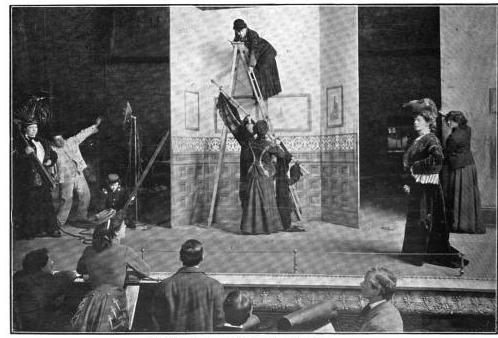
Miss Gertrude Haynes directing the setting of the scenes
The American woman is proud in the knowledge that she can stand alone without the support of mere man. She has taken her place in the world of affairs, and now she is to prove that she can run, entirely on her own, that most difficult of businesses—a theatre. Miss Gertrude Haynes is at the head of a Company which will present a woman’s play, written by a woman dramatist, financed by a woman “angel” (this is as it should be). Advance agent, doorkeeper, treasurers, scene-shifters, attendants—all will be of the fair sex.
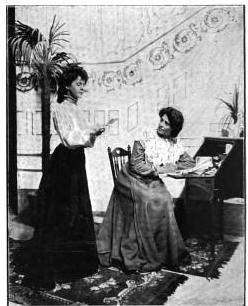
In the Treasurer’s office, where the “ghost” walks every Friday. For the benefit of the uninitiated, it should be explained that the payment of salaries is referred to in the profession by the spiritual simile of a ghost walking.
Miss Haynes is one of the best-known new stars in the country, her “Choir Celestial” having been presented in all of the theatres of the big circuits. She was the originator of the religious act on the stage, and has won both fame and fortune. But let her speak of her own project:—
“My determination to use women stage hands, advance women, and ticket-takers, is not a freak notion,” said Miss Haybes. “I have tried women for the work and found them better than men. They are faithful, work harder, and can always be trusted to be on hand. And that is more than can be said for some of the men who have been in my employ.
“My sister, Miss Tessie Haynes, went out as my advance agent two years ago, and her success was remarkable. No man ever did so well for me. And it wasn’t six months before she was engaged.
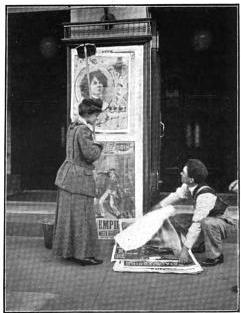
Some of Miss Tessie Haynes’ experiences were more strenuous than most men in the same position are called upon to undergo. In Chicago, she encountered a strike of bill-posters, and could not get the Company paper out. Finding that appeals to the strikers availed nothing, the plucky little woman determined to put up her own bills. Hiring a wagon, she went out supplied with paste bucket and brush, and posted the bills.
Her action caught the fancy of the men, who cheered her bravery, and her bills were not disturbed. She has the record of being the only woman bill-poster in the world.
Miss Tessie Haynes, sister of the manageress, acting as a bill-poster
Miss Gertrude Haynes is not exactly preparing for trouble, but she is prepared to meet it if it comes. The man who thinks to have a joke at her expense will “get left” as his countrymen say.
Thus: “My property woman weighs 160 pounds, is strong and vigorous, and can hustle a trunk if necessary,” declares the indomitable manageress. Nor will she stand any love-making nonsense to interfere with the work in what she calls her “Adamless Eden.”
“No, my doorkeeper won’t flirt with the men. She is a fine, handsome woman with grey hair, inexpressibly dignified, and no man will take liberties with her. At least, I pity the one that tries.”
Man will not be entirely banished from the Company. He will be suffered to play the male roles, but otherwise will be quite subordinate. Listen to this strike-loving scene-shifter of the sterner sex!
“I expect to get a cleaner production by reason of my woman stage director. A woman is naturally artistic. She will not take more time to set the stage than a man, but it will be done infinitely better.
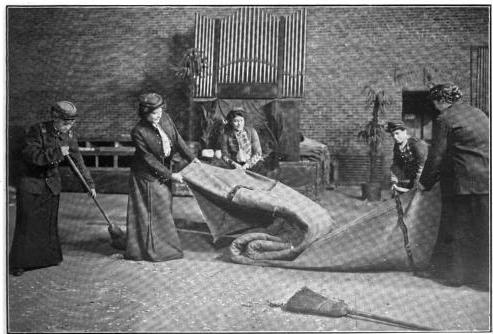
“My artists would fall down every night if I did not go after the men and smooth the wrinkles out of the carpet. A woman would never do such clumsy work.”
Miss Haynes’ final word breathes the very spirit of determination. “I have always come off ahead in our battles, and I’m sure that my new venture of an Adamless troupe will succeed.”
Members of the manless theatrical company engaged in scene-shifting
This article and images were originally printed in The Bystander, No. 98, Vol 8, Wednesday, October 18, 1905.
This post is a few years old, but interesting nonetheless. Art Direction, Props and Authenticity talks about the importance of realism in prop making, specifically the realism of a prop’s weight. A prop that appears too light can take the audience out of the moment.
Game of Thrones has a new video out showing some of the work that goes into their props. It features prop master Gordon Fitzgerald, some drawings of props, and a look at how the smallest details are taken care of.
The Make Magazine blog featured a cool tip for using polycaprolactone plastic to make sanding blocks (they use Shapelock, though Friendly Plastic is another familiar brand name). If you need your sanding block to have a different shape for fitting around a curve or other odd surface, just heat it up in boiling water and reshape it to what you need.
A pentagon is a five-sided shape where the sides are equal in length. It can be a useful shape in prop making; it can also serve as the basis for a five-sided star. It may be difficult to lay out with standard drafting tools, but with the method below, you can draw one with just a compass and a straight-edge.
Start off with a circle of a size that will perfectly fit your pentagon; that is, each corner of your pentagon will touch the outside of your circle.
Figure 1
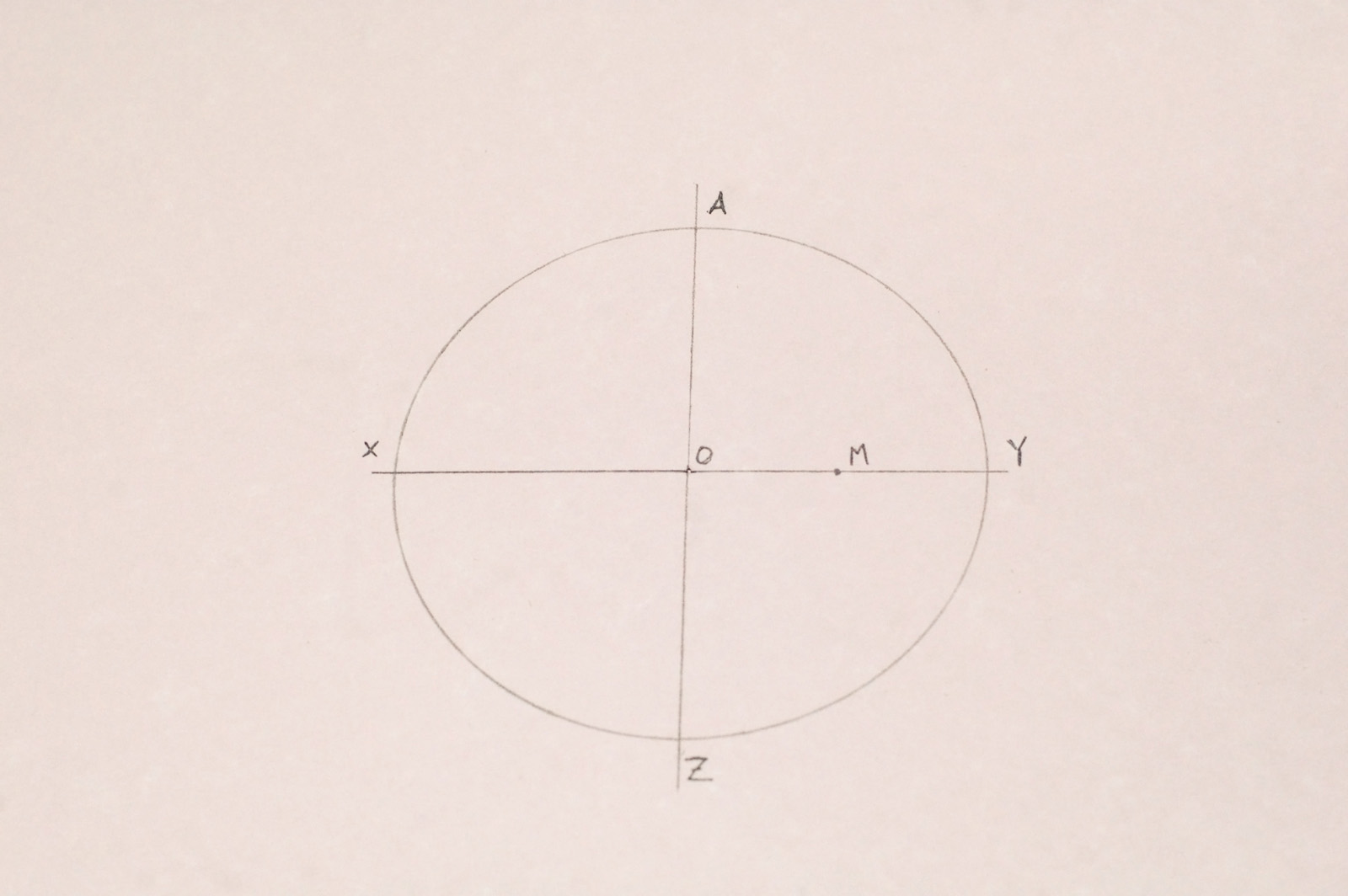
In my circle, I have drawn two perpendicular lines which run through the center point O. Where they cross the circle, I have labeled A, X, Y and Z (A will be the top point of the pentagon, so place it accordingly).
I have bisected line OY to find point M; that is, M is exactly halfway between O and Y.
Figure 2
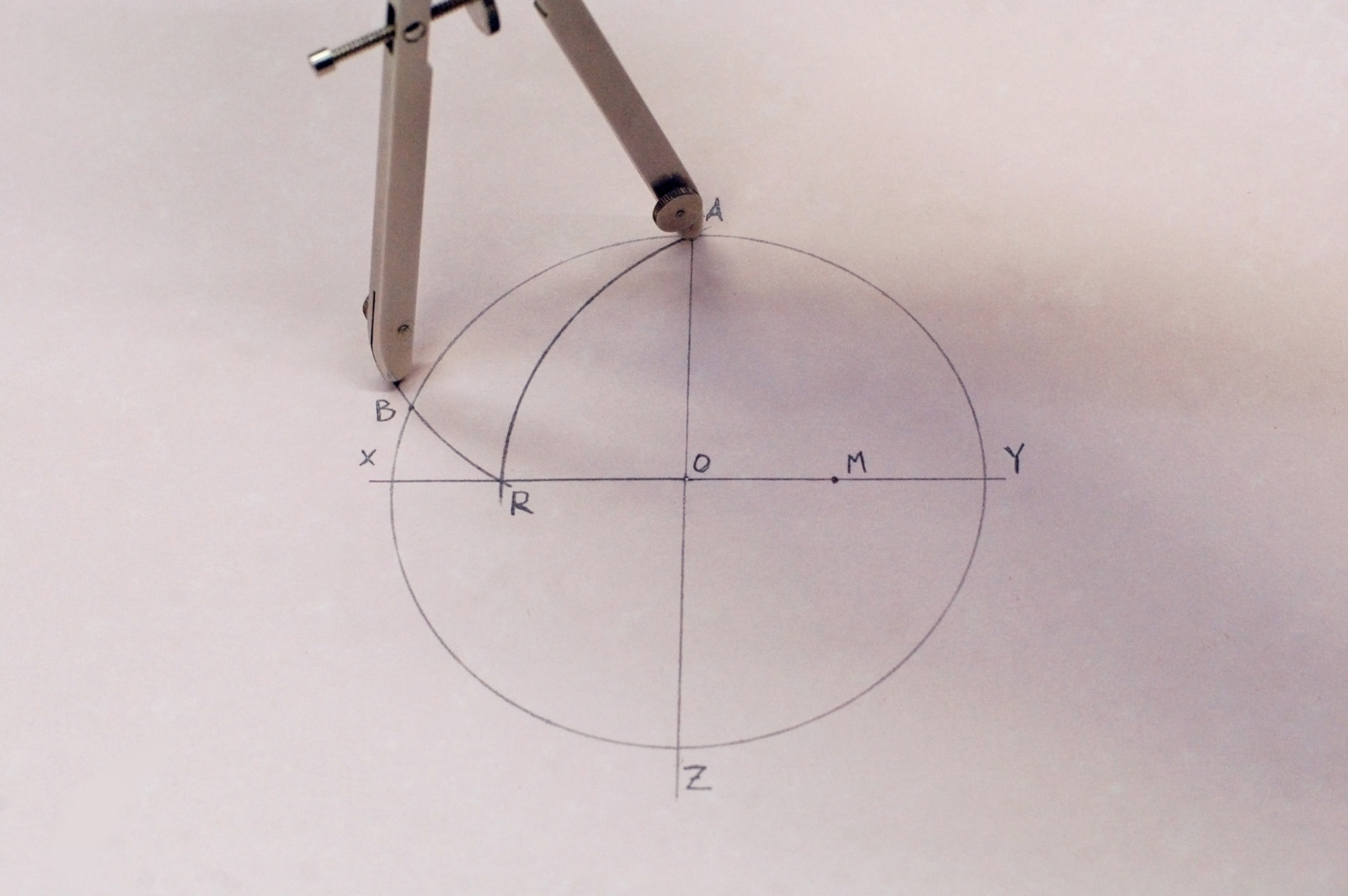
Put the point of the compass on M and extend it so the pencil touches A. Draw an arc that crosses line XO; we will call this intersection “R”.
Figure 3
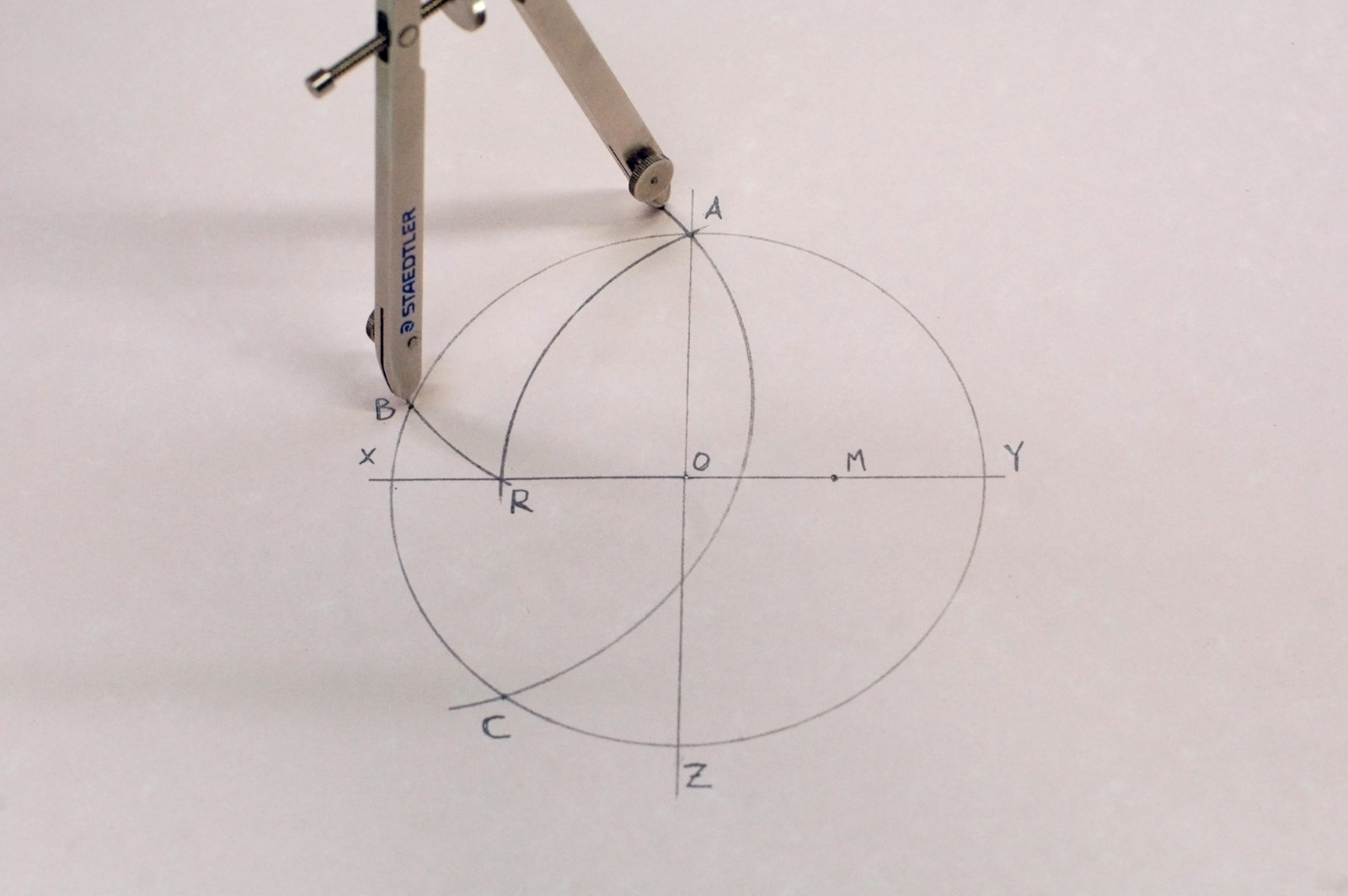
Move the point of the compass onto A and extend it so the pencil now touches R. The radius of your compass is now equal to the length of the sides of your pentagram. When you draw an arc from R to your circle, you will find point “B”.
Figure 4
When you move the compass to pivot on B and draw an arc, it will cross the circle at two points: A and a new point “C”.
Figure 5
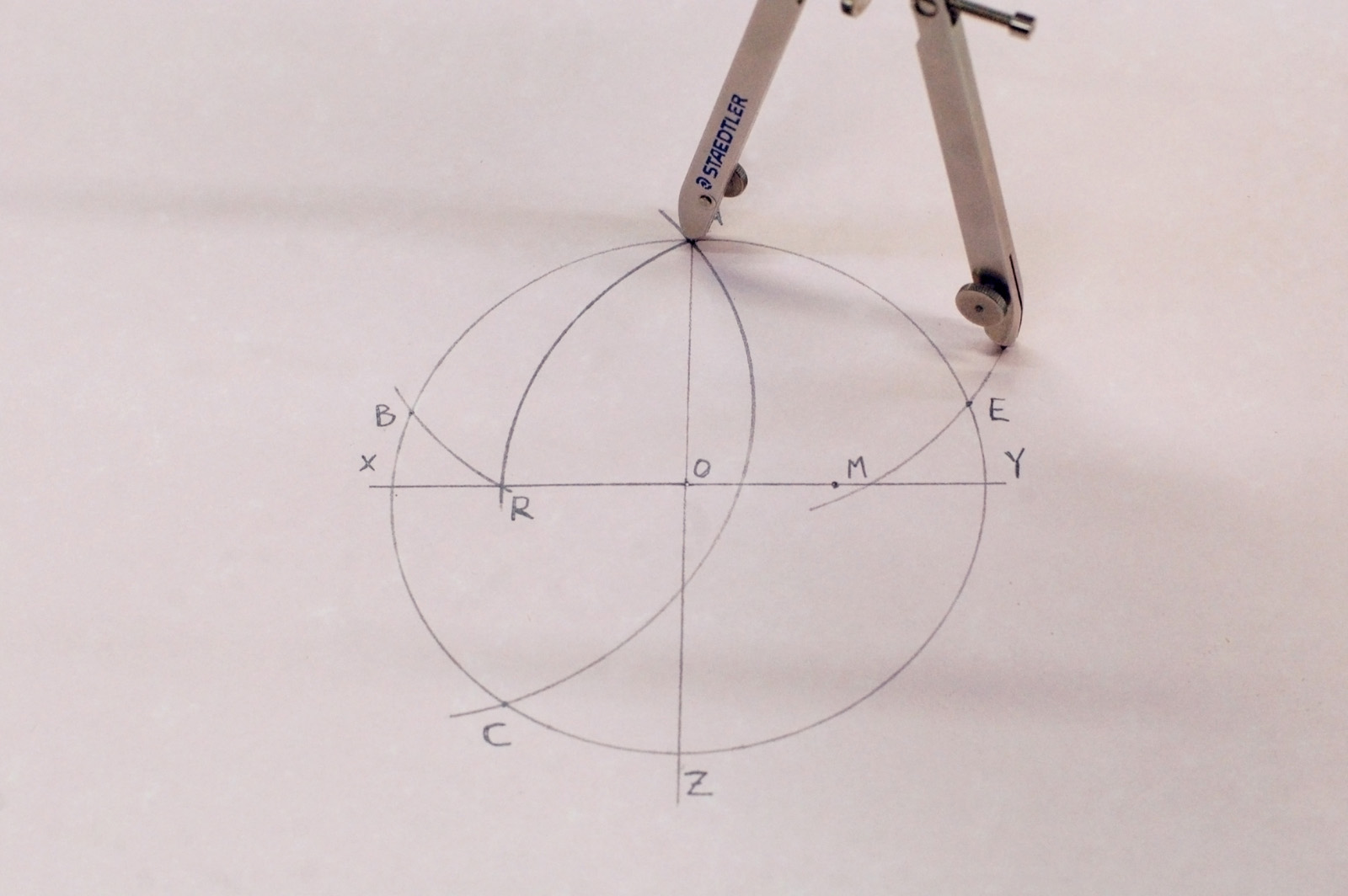
Returning your compass to A, draw an arc that crosses the right side of the circle to find “E”.
Figure 6
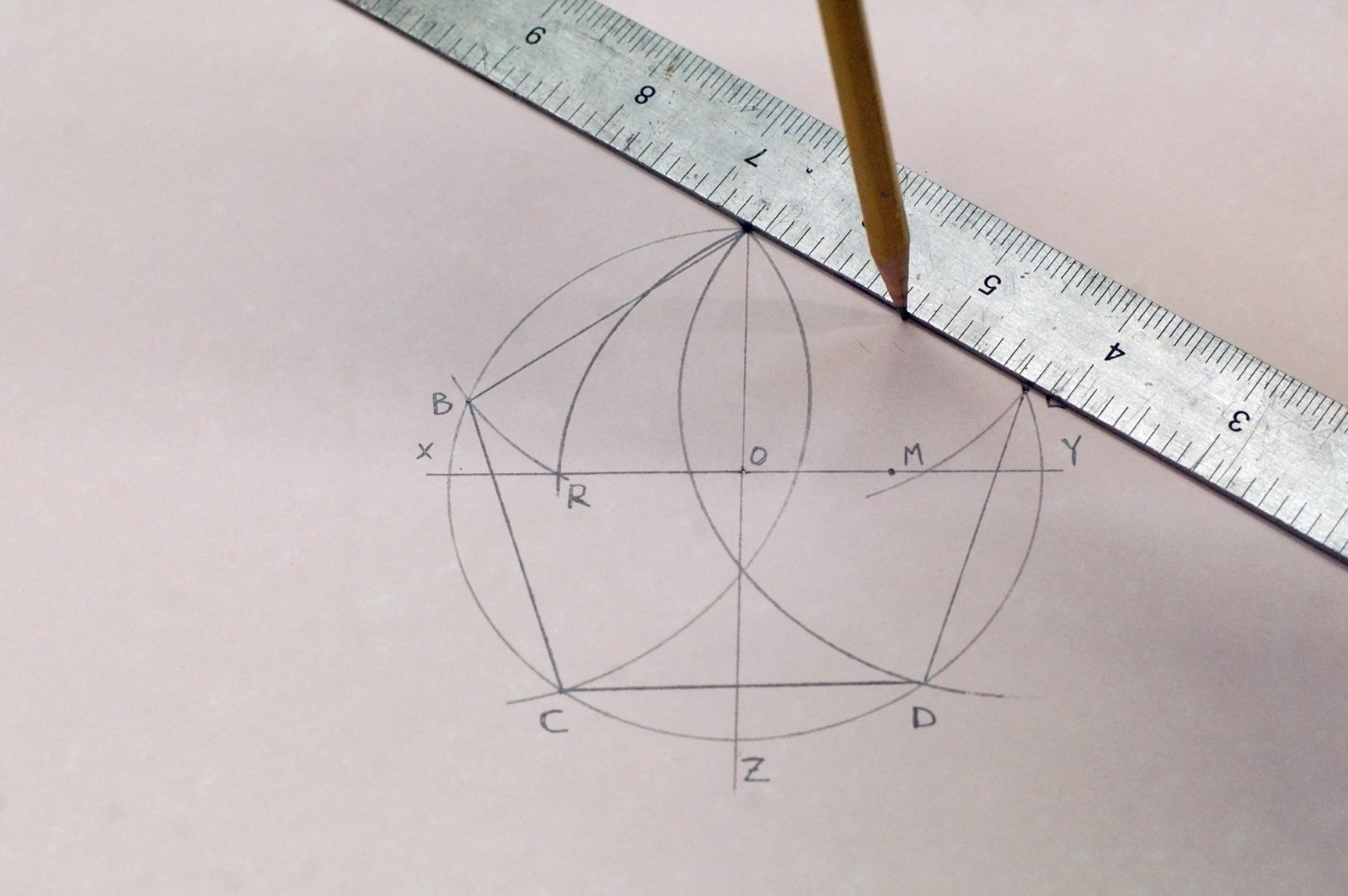
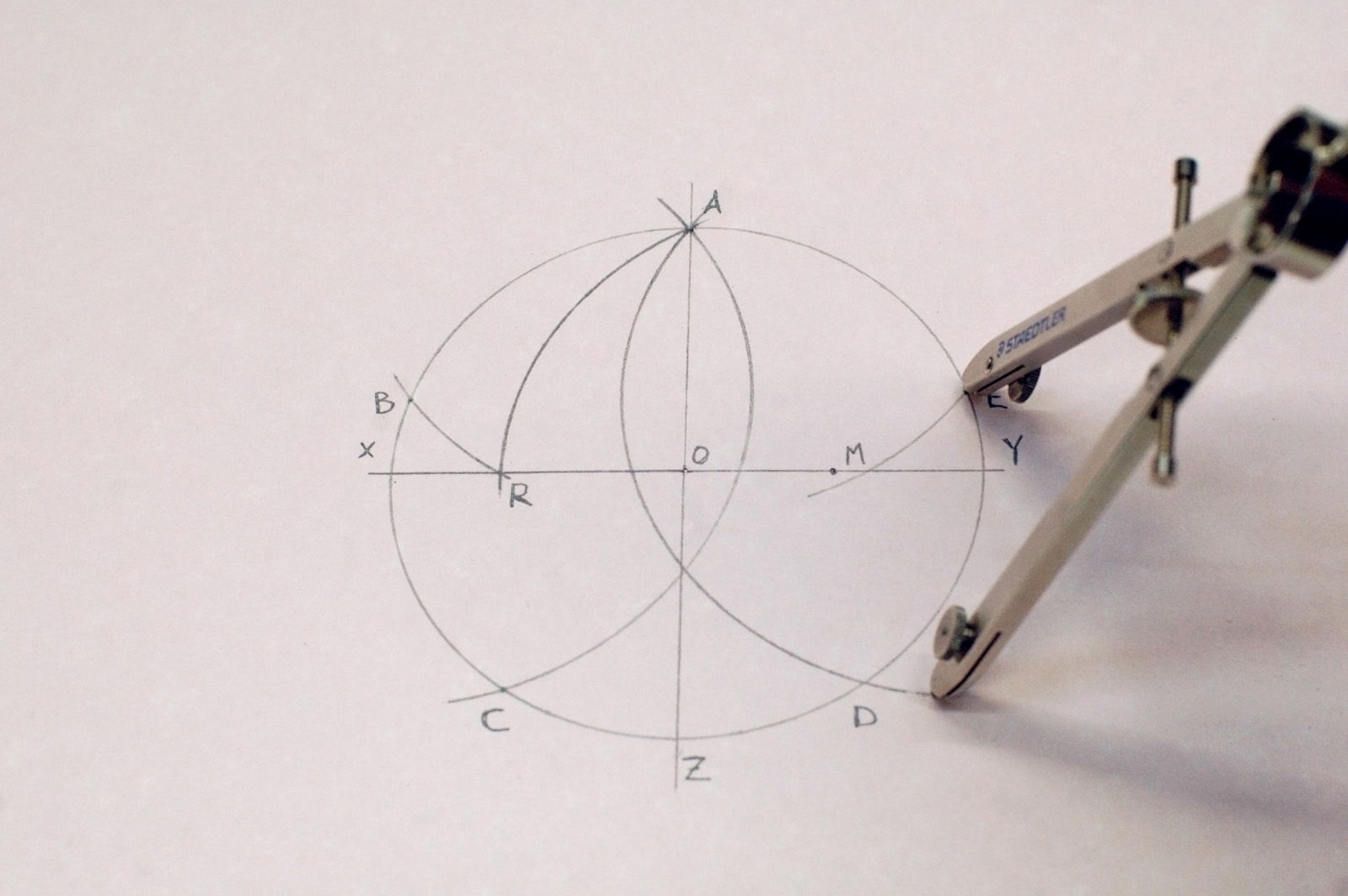
Move the compass to E and draw an arc to find “D”. In the picture above, I drew the arc so it crossed the circle twice, at point D and again at point A. You don’t need to actually do that.
To check that your pentagon has five equal sides, you can put the point of your compass on D. The pencil should touch C.
Figure 7
A, B, C, D and E are the corners of your pentagon. All that is left to do is connect them with a straight-edge. Presto! Perfect pentagons!
Making and finding props for theatre, film, and hobbies